
Be a
volunteer
Be a
supporter
Institutional Values
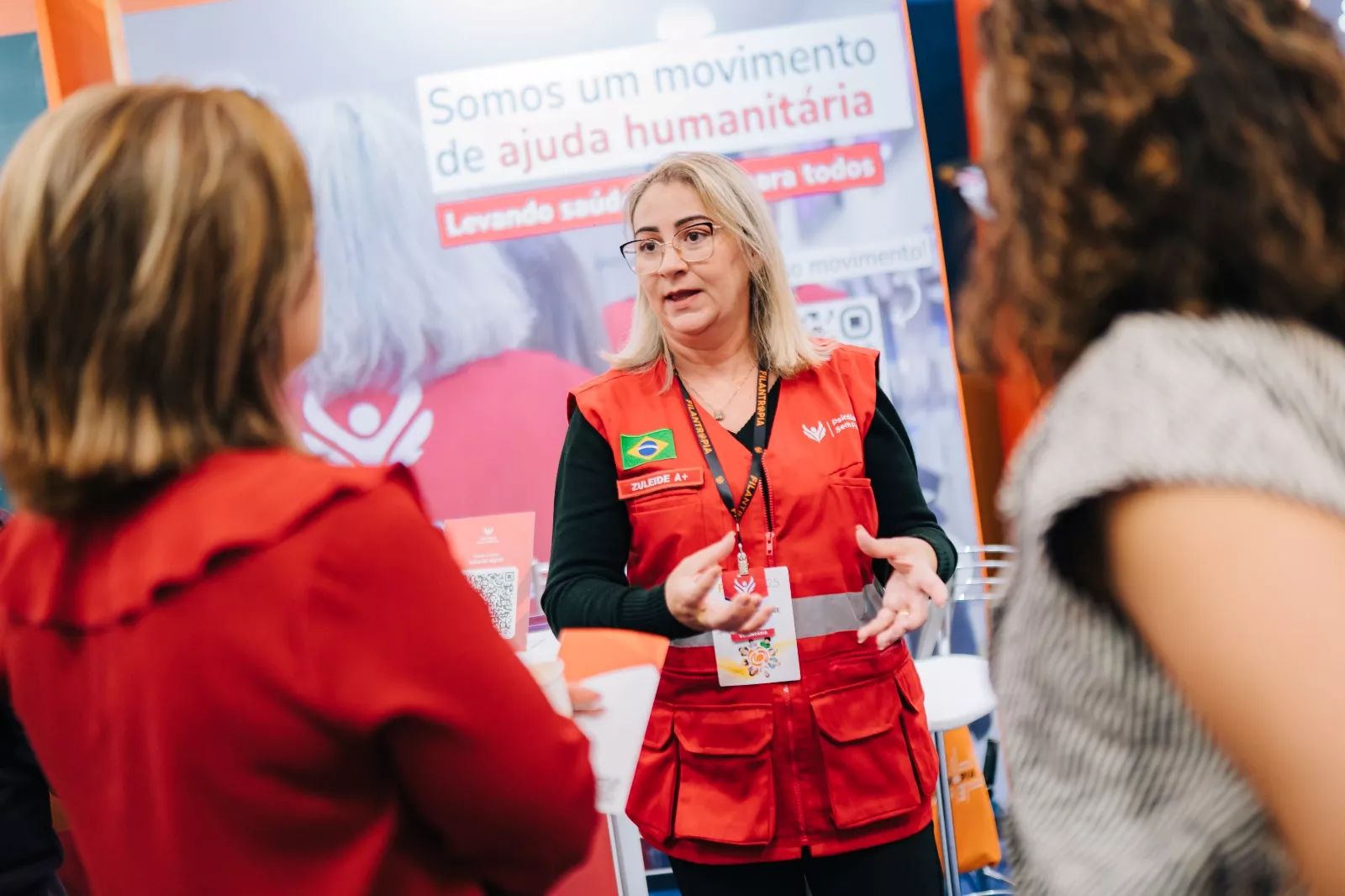
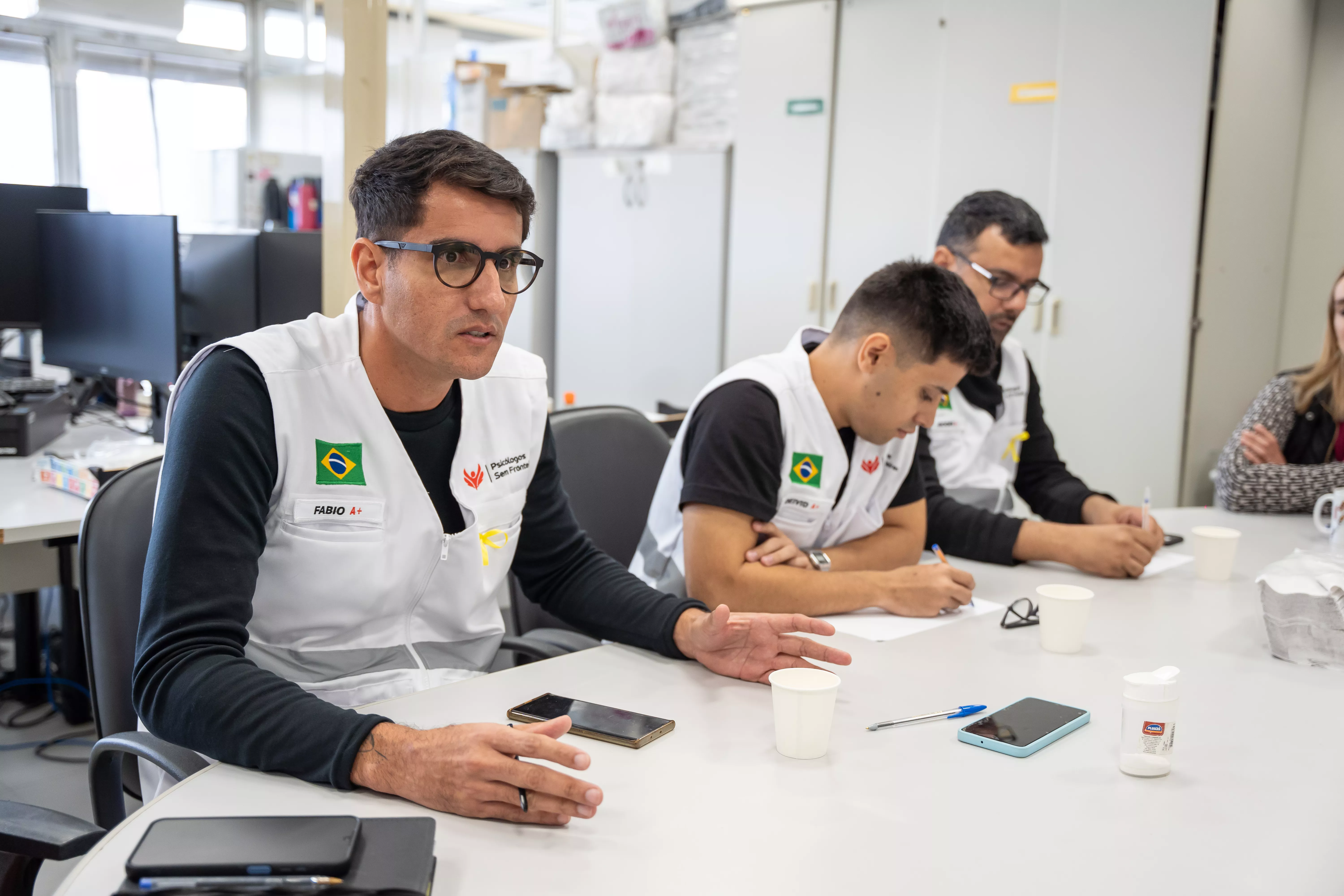
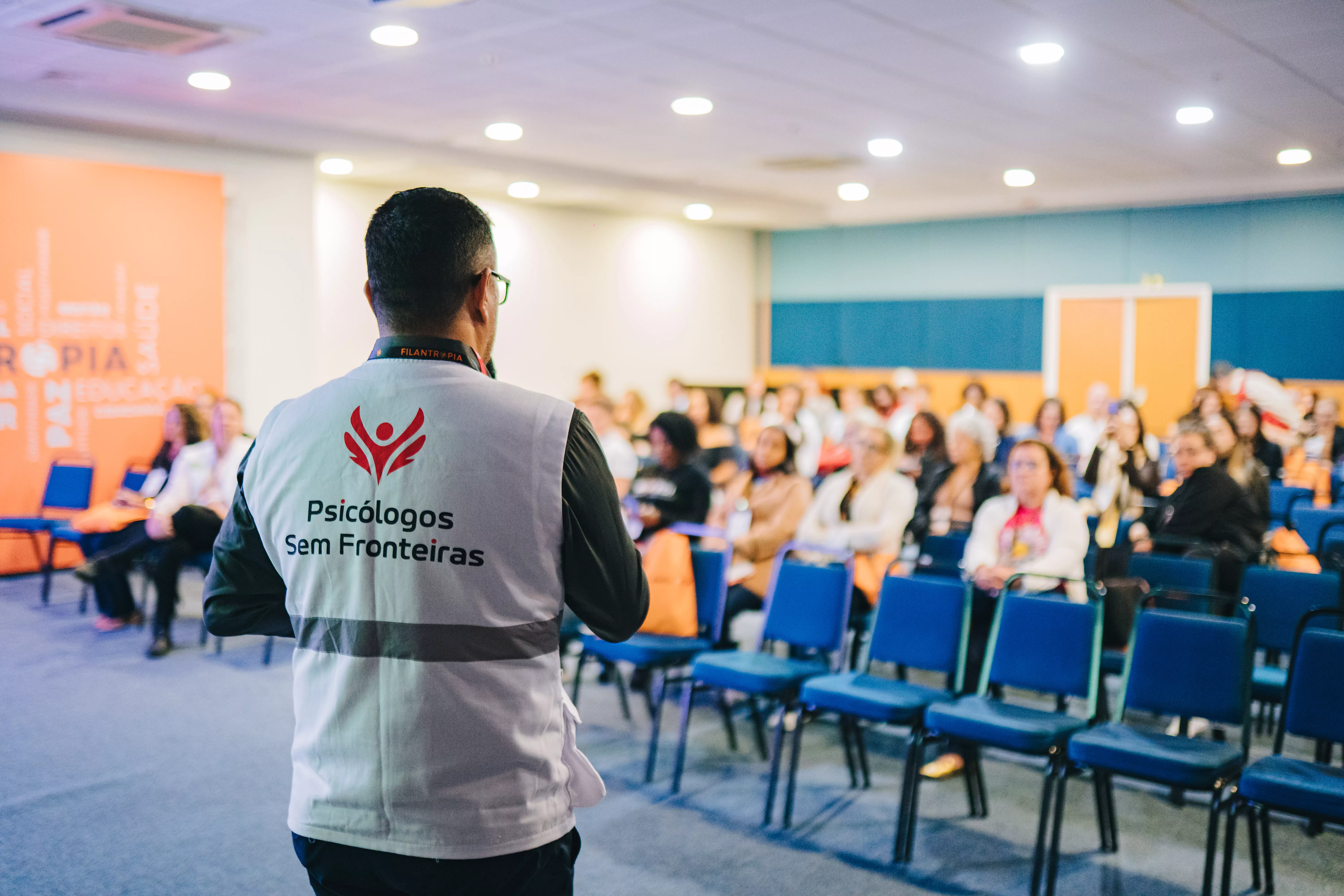
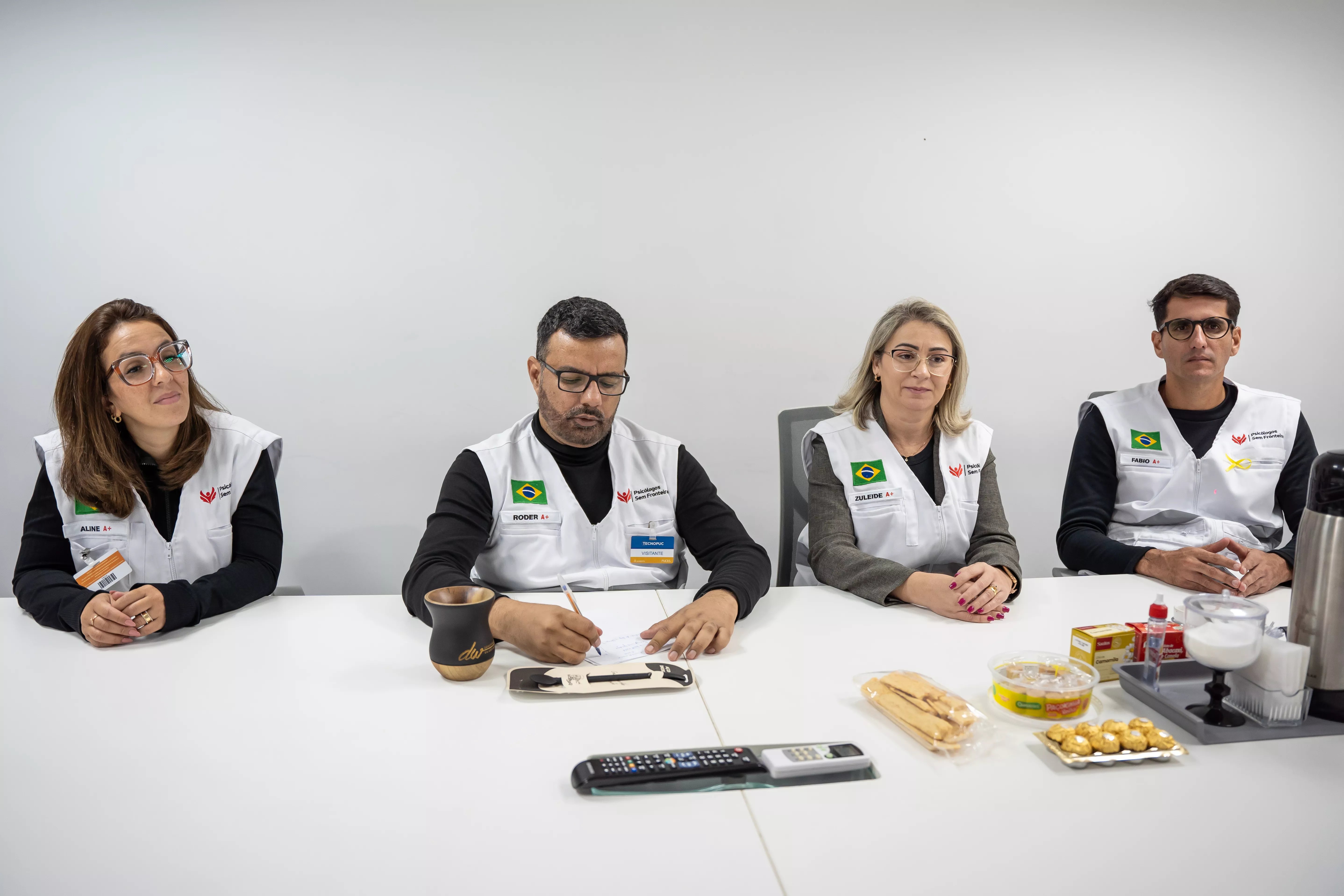
PSF (Psychologists Without Borders) is a voluntary humanitarian aid movement that was born from the union of experienced professionals in mental health and other fields.
We are actively and compassionately present in situations of humanitarian and climate-related disasters, offering emergency psychological support to those who need it most. We also collaborate in distributing essential items — such as food, water, and blankets — contributing to comprehensive care in times of crisis.
We provide free psychological support, both in person and online, in communities across Brazil, in partnership with institutions that already carry out socially relevant work. For this work to continue happening free of charge and with quality, the support of companies is essential — it is what allows us to bring emotional care to those who need it most.
Psychologists Without Borders provides emotional and psychological support for companies through a telecare platform. In an accessible, safe, and humanized way, we promote employee well-being and strengthen organizational culture by caring for the people who keep companies moving every day.
By supporting this initiative, your company also reinforces its social commitment and expands its presence through cause-related marketing — connecting purpose, care, and positive impact on society.
We are actively and compassionately present in situations of humanitarian and climate-related disasters, offering emergency psychological support to those who need it most. We also collaborate in distributing essential items — such as food, water, and blankets — contributing to comprehensive care in times of crisis.
We provide free psychological support, both in person and online, in communities across Brazil, in partnership with institutions that already carry out socially relevant work. For this work to continue happening free of charge and with quality, the support of companies is essential — it is what allows us to bring emotional care to those who need it most.
Psychologists Without Borders provides emotional and psychological support for companies through a telecare platform. In an accessible, safe, and humanized way, we promote employee well-being and strengthen organizational culture by caring for the people who keep companies moving every day.
By supporting this initiative, your company also reinforces its social commitment and expands its presence through cause-related marketing — connecting purpose, care, and positive impact on society.
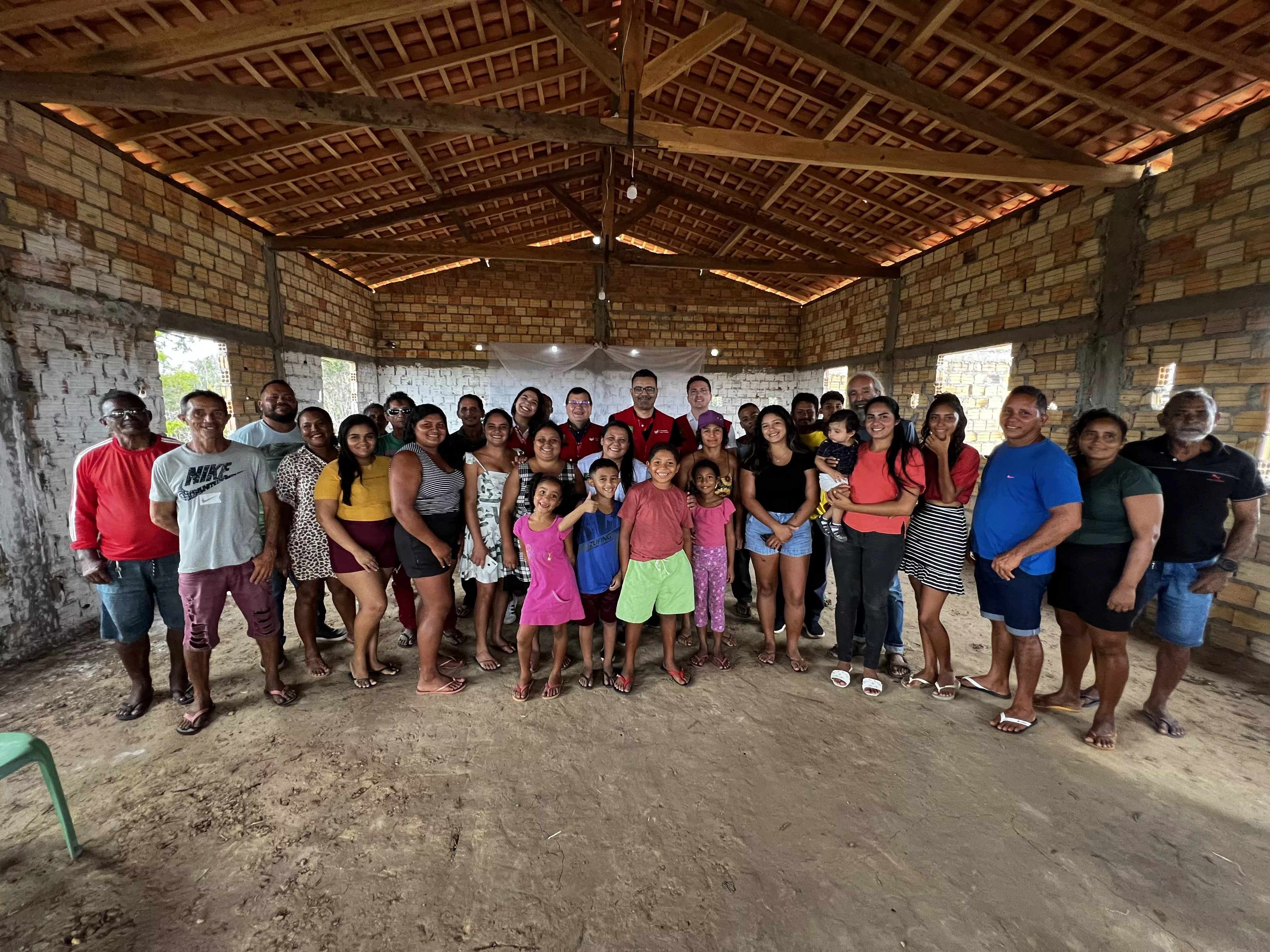
Psicólogos Sem Fronteiras (PSF) operates in the South and Northeast regions of Brazil and is expanding across the country. Through the volunteer work of professionals in Psychology and other fields, PSF provides psychological support to people in vulnerable situations, offering in-person and online counseling, support groups, and community actions. The Movement is also prepared to act in emergencies caused by natural disasters and social crises, reinforcing its commitment to mental health, human rights, and solidarity throughout the national territory.
Ceará has around 24,000 quilombola people, more than 780 vulnerable communities, 20 Indigenous communities, and about 1 million people living in peripheral areas marked by poverty and inequality. With over 9 million inhabitants, the state has around 1,300 psychologists in the public health system (SUS), an insufficient number to meet the high demand for mental health care, especially among young people and vulnerable populations. Psychologists Without Borders works to expand access to psychological care, strengthen support networks, and ensure that mental health is a right for all — especially in the most neglected regions of Ceará.
Rio Grande do Norte has around 22,000 quilombola people, 220 vulnerable communities, more than 15 Indigenous communities, and about 400,000 people living in peripheral areas marked by poverty and limited access to continuous mental health care. With 3.5 million inhabitants, the state has only 620 psychologists in the public health system (SUS), an insufficient number to meet the demand, especially in vulnerable urban and rural areas. Psychologists Without Borders works to expand access to qualified psychological care and to ensure that mental health is a right for everyone — particularly in the most vulnerable regions of the state.
The state of São Paulo has around 11,000 quilombola people, more than 2.5 million people living in vulnerable urban communities, and approximately 30 Indigenous communities, where poverty, violence, and exclusion shape the lives of many families. Despite being the richest state in the country, with 44 million inhabitants, São Paulo has only about 6,800 psychologists in the public health system (SUS), an insufficient number to meet the needs of vulnerable populations — especially young people, Black individuals, and residents of the outskirts — who suffer from conditions such as anxiety, depression, and suicide. Psychologists Without Borders works to expand access to mental health care, bringing compassion and dignity to those who need it most and transforming realities where psychological support is still a privilege for few.
Paraná has around 7,100 quilombola people, approximately 450,000 individuals living in vulnerable communities, more than 15 Indigenous communities, and about 1 million residents in peripheral areas marked by poverty and a lack of effective public policies — conditions that deeply affect the mental health of these populations. With over 11 million inhabitants, the state has about 2,100 psychologists in the public health system (SUS), an insufficient number to meet the complex demands, especially in distant and impoverished regions. Psychologists Without Borders works in Paraná to expand access to psychological care, build meaningful connections, and ensure that mental health is a right for everyone — from the capital to the most remote communities.
Santa Catarina has around 4,400 quilombola people, approximately 300,000 individuals in vulnerable communities, and more than 10 Indigenous communities living in peripheral territories marked by extreme poverty, structural racism, and inequality in access to basic rights — including mental health care. With about 7.6 million inhabitants, the state has around 1,200 psychologists in the public health system (SUS), an insufficient number to meet the growing demand, especially in impoverished and peripheral regions. Psychologists Without Borders works to ensure that mental health is a true right, bringing listening, dignity, and transformation to the state’s most vulnerable populations.
Rio de Janeiro is home to around 20,000 quilombola people and more than 2 million individuals living in vulnerable communities, facing precarious housing, low income, and limited access to essential services. The state also has about 40 officially recognized Indigenous communities. With over 17 million inhabitants, it has around 3,000 psychologists in the public health system (SUS) — an insufficient number to meet the high demand, especially in poorer areas. Violence, collective grief, psychological distress, and suicide particularly affect young people, Black women, and informal workers. Psychologists Without Borders operates in the state — including communities such as Maré — with the mission of expanding access to psychological care, strengthening connections, and promoting mental health as a matter of social justice.
Rio Grande do Sul is home to about 17,500 quilombola people, around 500,000 individuals in vulnerable communities, more than 25 Indigenous communities, and approximately 1 million residents living in peripheral areas affected by poverty and limited access to mental health care. With about 11.5 million inhabitants, the state has around 2,200 psychologists in the public health system (SUS), an insufficient number to meet the growing demand, especially in rural and peripheral regions. Psychologists Without Borders is committed to expanding access to qualified psychological care, ensuring that mental health is a right for everyone — especially in the most vulnerable areas of the state.
Piauí is home to around 31,700 quilombola people, approximately 220,000 individuals in vulnerable communities, more than 12 Indigenous communities, and about 450,000 residents in peripheral areas marked by poverty and exclusion, which hinder access to mental health care. With roughly 3.2 million inhabitants, the state has only 550 psychologists in the public health system (SUS), an insufficient number to meet the growing demand, especially among young people, rural workers, and vulnerable groups. Psychologists Without Borders works to expand access to qualified psychological care, strengthen support networks, and promote mental health as a right for everyone — especially within the most vulnerable communities.
Goiás is home to around 30,400 quilombola people, approximately 300,000 individuals in vulnerable communities, more than 25 Indigenous communities, and about 600,000 residents in peripheral areas marked by poverty and exclusion, which hinder access to mental health care. With around 7.2 million inhabitants, the state has about 1,100 psychologists in the public health system (SUS), an insufficient number to meet the growing demand, especially among young people, workers, and vulnerable populations. Psychologists Without Borders works to expand access to qualified psychological care, strengthen support networks, and ensure mental health as a fundamental right for all — especially in peripheral and vulnerable regions.
Espírito Santo is home to around 15,700 quilombola people, approximately 180,000 individuals in vulnerable communities, more than 10 Indigenous communities, and about 350,000 residents in peripheral areas marked by poverty, inequality, and the lack of public mental health policies. With roughly 4 million inhabitants, the state has only 680 psychologists in the public health system (SUS), an insufficient number to meet the diverse demands, especially in impoverished, rural, and marginalized urban regions. Psychologists Without Borders works to expand access to qualified psychological care, strengthen support networks, and ensure that mental health is an effective right for all — including those in the most invisible areas of the state.
Tocantins is home to around 12,900 quilombola people, 41 Indigenous communities, numerous rural communities, and approximately 100,000 people in vulnerable areas, in addition to about 200,000 residents in urban peripheral territories where poverty, institutional neglect, and exclusion impact psychological well-being. With just over 1.6 million inhabitants, the state has only 370 psychologists in the public health system (SUS) — far too few for its territorial size and the complexity of its mental health needs. Psychologists Without Borders works to ensure that no population is left behind, building bridges between forgotten territories and the right to care, promoting dignity, listening, and transformation where it is most needed.
Amapá is home to around 12,500 quilombola people, more than 150 Indigenous communities, and approximately 180,000 residents in vulnerable peripheral areas, facing extreme poverty, isolation, and exclusion from essential services — including mental health care. With just over 860,000 inhabitants, the state has around 250 psychologists in the public health system (SUS), a very low number given its cultural diversity and social complexity. Psychologists Without Borders prioritizes Amapá, working to ensure listening, support, and dignity for invisible populations, bringing care to where the State is absent.
Mato Grosso is home to around 11,700 quilombola people, about 30 Indigenous communities, and approximately 400,000 individuals living in impoverished urban and rural peripheral areas marked by social isolation and the lack of public services — especially in mental health care. With around 3.6 million inhabitants, the state has only 680 psychologists in the public health system (SUS), an insufficient number to meet its diverse and complex demands. Psychologists Without Borders works to break the silence, build presence where care is lacking, strengthen networks of support, and ensure access to mental health care — including in the most isolated and vulnerable regions of Mato Grosso.
The Federal District is home to around 305 quilombola people and approximately 700,000 residents in vulnerable peripheral areas, where poverty and exclusion hinder access to essential services, including mental health care. With about 3.1 million inhabitants, the Federal District has around 1,000 psychologists in the public health system (SUS), an insufficient number to meet the growing demand, especially in vulnerable communities. Psychologists Without Borders, headquartered in the Federal District, works locally and is committed to expanding access to qualified psychological care, ensuring that mental health is an effective right for all — especially in the most vulnerable areas of the capital.
Mato Grosso do Sul is home to around 2,546 quilombola people, as well as a significant Indigenous population — with approximately 30 officially recognized Indigenous communities — and about 300,000 residents in urban peripheral territories, many living in communities in socially vulnerable areas facing poverty, social exclusion, and limited access to mental health services.
With a population of about 2.8 million inhabitants, the state has approximately 650 psychologists working in the public health system (SUS), an insufficient number to meet mental health needs, especially in vulnerable rural and urban communities.
Psychologists Without Borders works to expand the network of qualified psychological care in Mato Grosso do Sul, strengthening the right to care and promoting mental health as a priority across all territories — particularly in the most vulnerable and forgotten regions.
According to the 2022 IBGE Census, Acre and Roraima did not record identified quilombola populations but face significant challenges related to poverty, social exclusion, and limited access to mental health care — especially among approximately 60 officially recognized Indigenous communities and in vulnerable urban peripheral territories. Each state has around 900,000 inhabitants, with a low number of psychologists in the public health system (SUS) — approximately 250 in Roraima and 200 in Acre — insufficient for their complex mental health needs. Psychologists Without Borders operates in these territories to expand access to qualified psychological care, defending mental health as a universal right for all, regardless of region or social group.
The state of Amazonas is home to around 2,700 quilombola people and stands out for its great diversity of Indigenous peoples, with approximately 365 officially recognized communities living in the forest and along riverbanks, preserving ancestral cultures. The state also has about 700,000 residents in vulnerable urban peripheral areas, facing poverty, isolation, and lack of access to basic services — including mental health care. With around 4.2 million inhabitants, Amazonas has only 600 psychologists in the public health system (SUS), an insufficient number to address the complexity of mental health demands, especially among Indigenous, riverine, and vulnerable urban populations. Psychologists Without Borders operates with cultural sensitivity to provide qualified psychological care, protecting diversity and ensuring the right to listening, support, and dignity for all.
Rondônia has about 1.8 million inhabitants, including approximately 11,000 quilombola people living in vulnerable traditional communities, around 40 recognized Indigenous communities, and approximately 45,000 people living in vulnerable areas facing poverty and limited access to mental health care. With around 300 registered psychologists — about 16.7 per 100,000 inhabitants — the state is unable to meet the demand, especially in the most remote regions. Psychologists Without Borders does not yet operate directly in Rondônia but is committed to initiating actions to expand access to qualified psychological care, ensuring that mental health is a right for all, especially in the most vulnerable communities.
Having the opportunity to start therapy was an immense relief during one of the most difficult moments of my life. I was dealing with deep losses and felt consumed by sadness, anxiety, and low self-esteem.
When I found out that there would be psychological support for family members through the PSF project, I accepted immediately. It felt like seeing a light in the midst of chaos.
Today, thanks to therapy, I feel stronger — with more courage, determination, and will to move forward.
Assisted by the PSF project in Londrina/PR
On June 2, 2025, we officially began our activities in Brazil’s Southeast region. We chose to start in a territory that reflects many of the challenges our country faces: the Maré Favela Complex, in Rio de Janeiro — an area marked by social vulnerability and violence.
At this initial stage, we partnered with a local project committed to education and the development of young people who dream of accessing technical schools and higher education.
Currently, Psychologists Without Borders provides mental health support to these students through individual and group psychotherapy sessions. Around 200 students from Maré are assisted by the movement. Each moment of listening and each act of care represents an opportunity to strengthen those who often have no one else to turn to.
Testimony from a volunteer psychologist of PSF in the Maré community – Rio de Janeiro/RJ